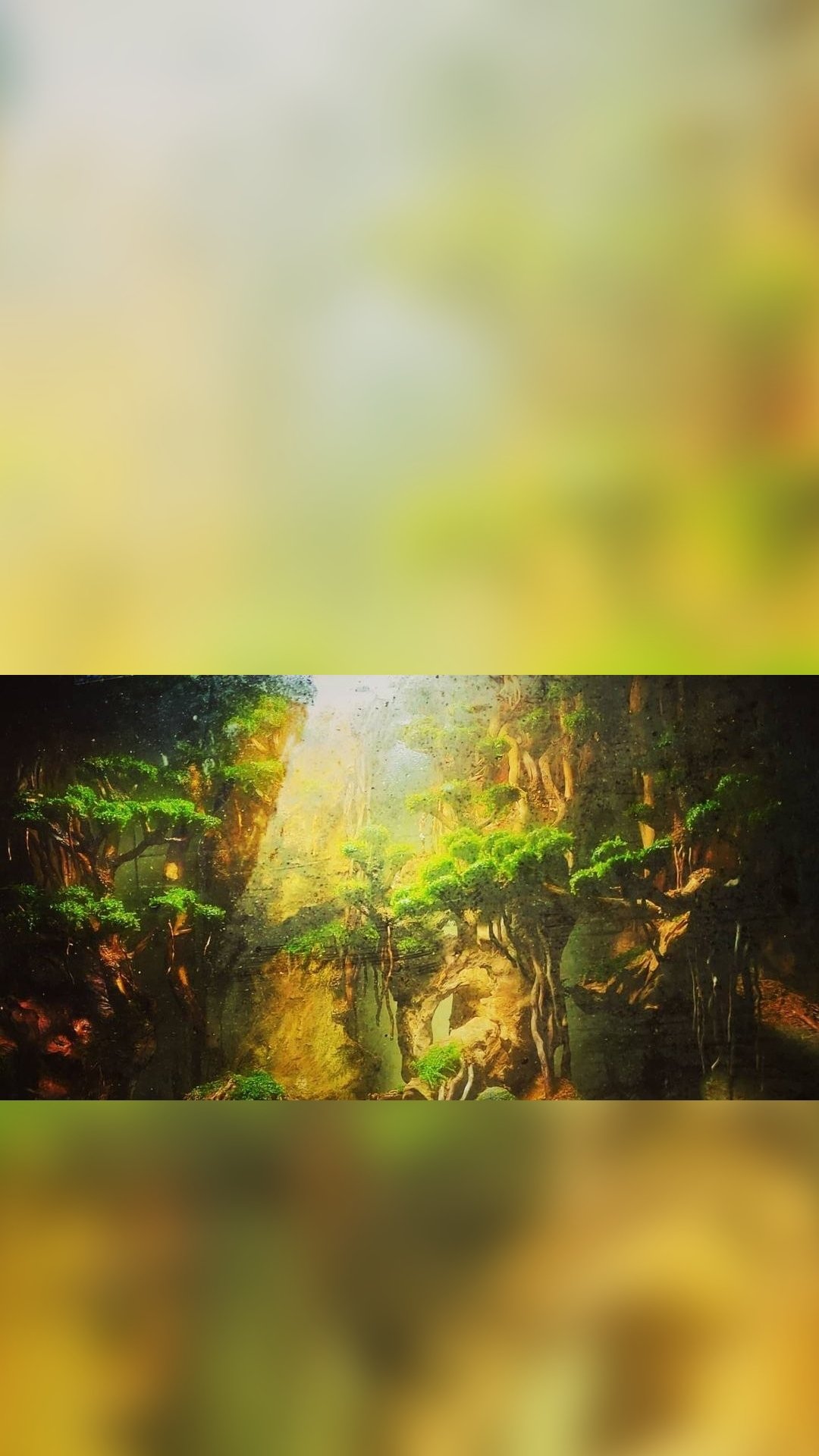
This is another client’s tank 50gallon Aquascape Aquarium

Freshwater Jellyfish
Good day everyone, today we will talk about Craspedacusta sowerbii or peach blossom jellyfish, is a species of freshwater hydrozoan jellyfish, or hydromedusa cnidarian. Hydromedusan jellyfish differ from scyphozoan jellyfish because they have a muscular, shelf-like structure called a velum on the ventral surface, attached to the bell margin. Originally from the Yangtze basin in China, C. sowerbii is an invasive species now found throughout the world in bodies of fresh water.
C. sowerbii medusae are about 20–25 mm (approximately 1 in.) in diameter, somewhat flatter than a hemisphere, and very delicate, when fully grown. They have a whorl of up to 400 tentacles tightly packed around the bell margin. Hanging down from the center of the inside of the bell is a large stomach structure called a manubrium, with a mouth-opening with four frilly lips. Circulation of nutrients is facilitated by four radial canals which originate at the edges of the stomach (manubrium), and which are also connected to a ring canal, located near the bell margin. Most of the body is transparent or translucent, with a whitish or greenish tinge. The (usually) four large flat sex organs (gonads) are attached to the four radial canals, and are usually opaque white. The many tentacles each contain thousands of cells called cnidocytes, which contain nematocysts (also known as cnidocysts), and are used to capture prey and pass it to the mouth. Food is taken in the mouth opening, and waste is finally expelled out of the same opening.
C. sowerbii is native to the Yangtze basin in China, but has been introduced on every continent except for Antarctica.[2] It can be found in most American states (no reports yet from Montana, Wyoming, North Dakota, South Dakota, Alaska or Hawaii) and most Canadian provinces (no reports yet from Alberta or Saskatchewan).
C. sowerbii is a predator on zooplankton including daphnia and copepods. Prey is caught with their stinging tentacles. Drifting with its tentacles extended, the jelly waits for suitable prey to touch a tentacle. Once contact has been made, nematocysts on the tentacle fire into the prey, injecting poison which paralyzes the animal, and the tentacle itself coils around the prey.
C. sowerbii begins life as a tiny polyp, which lives in colonies attached to underwater vegetation, rocks, or tree stumps, feeding and asexually reproducing during spring and summer. Some of these offspring are the sexually reproducing medusae. Fertilized eggs develop into small ciliated larvae called planula. The planula then settle to the bottom, and develop into polyps.
Benefits of Talisay or Indian Almond Leaves
Video Here: https://youtu.be/lDcHC-klg2I
Here are a few ways that using Indian Almond Leaves can help you keep a healthier tank:
1. Indian Almond Leaves have Antifungal and Antibacterial Properties
These are probably the most notable and useful properties that these leaves have, though they are not the only beneficial properties.
These leaves have both antibacterial and antifungal properties for fish and are able to treat a wide variety of low-grade infections.
When it comes to treating fish illnesses, most common illnesses are weaker bacterial or fungal infections, such as fin rot.
Fin rot is incredibly common in most fish, especially selectively bred ones such as betta fish. As you can guess from the name, fin rot causes the ends of the fins to essentially rot away.
For the most part, this illness is easily treated with frequent water changes and some mild medication, including Indian Almond leaves.
These leaves are able to treat most cases of fin rot, unless it has persisted to the point of turning into body rot.
Fin rot, and many other low-grade infections, are primarily caused by a fish experiencing stress. When a fish becomes stressed, their immune system weakens.
There are always pathogens in the water, but any fish with a fully functioning immune system can fight them off.
Once stress weakens their immune system, fish contract lower grade infections that they otherwise wouldn’t catch, which in turn also causes stress.
Adding an Indian Almond leaf to the tank of a stressed fish can help them fight off infections and prevent them altogether.
New fish, especially those from soft or blackwater environments, will greatly benefit from the addition of an Indian Almond leaf during their first few days or weeks in their new home.
Before you received your fish, they underwent a great deal of stress during the shipping process, which often causes illnesses, especially because hundreds are kept in the same stressful area.
If one of them gets stressed to the point of illness, it can then pass on that illness to hundreds of others.
All new fish have been exposed to an illness of some kind before arriving at your home, so adding some mild antifungal and antibacterial can do a great deal of good for them.
2. Indian Almond Leaves Can Be Used to Naturally Lower pH Levels
While frequently messing with your pH is not recommended, there are safe ways to lower or raise your pH level. However, you should not attempt to do this without a basic chemical understanding of pH and how it can affect your tank’s inhabitants.
There are many commercial products that claim to raise or lower your pH in your aquarium, and for the most part, they do. However, they only work temporarily, from anywhere as short as a few hours to a few days. They normally contain some mild acid or base, which will change the pH, but it quickly wears off once the minerals causing your tank’s pH take effect again.
For example, if you have water with high carbonate hardness, likely resulting in a high pH, you may try a product to lower your pH. At first, the tests will show that it is working, but after a short period of time, you will find that the pH is back where it was initially. So, you may try to use the product again, and again, and again.
What most people don’t know is that every time they add one of these products, the pH changes rapidly. After a short time period, the pH will change back to whatever it was before, normally also at a rapid pace. This process causes extreme stress on your fish, and if it is repeated too many times, you will begin to notice random deaths in your tank.
There are only a few ways to successfully change the pH of your water, one of which is using a different water source, or remineralized reverse osmosis or distilled water. One of the more accessible methods is to use something natural to change the mineral components in your water.
A high carbonate harness level normally coincides with high pH, and this is not a coincidence. If you want to raise the pH of your water, add some seashells, boiled eggshells, or other safe calcium products to your tank. Over a period of several weeks, the water will become harder, and the pH level will rise.
To lower the pH of your water, you will need something that will slowly soften the water and bring the pH down. Indian Almond leaves are perfect at doing this, and they also help the immune system of your fish, something that a commercial product cannot do.
3. They Contain Beneficial Tannic Acid and Tannins
Over time, anything natural added to your tank will begin to dissolve and degrade. It is the dissolving of seashells that raise the calcium levels and pH of water, and it is the dissolving of Indian Almond leaves and release of tannic acid that lowers the pH level. But what is tannic acid?
Tannic acid, a type of tannin (and normally referred to simply as “tannins” in reference to aquariums) is a weak acid with medicinal properties that can help both fish and humans. Indian Almond leaves also have medicinal properties aside from just the tannic acid.
However, there is no way to use Indian Almond leaves without the side effect of tannins, which may be somewhat unexpected. Over time, generally taking only a few days, the tannins will begin to dye your aquarium water a dark brown.
While this may look extremely worrisome, it is not at all harmful to your fish, and is normally extremely beneficial. Tannins also boost the immune system and lower stress, so it is best to keep them around. However, if you simply cannot live with your water not looking clean, simply add some activated carbon to your filter. It will reduce some of the efficacy but will remove the tannins.
4. They Can Help Induce Breeding/Spawning
Some fish are well known for being difficult to breed, such as wild bettas, scarlet badis, diamond tetras, and many more. These fish are soft water and/or blackwater fish, and their natural environments are nearly impossible to replicate in captivity.
For example, some of the more difficult ones can only breed in water that has a pH of 3 or so, or else the eggs will not survive. The average aquarium has a pH between 6.5 and 8, which makes this quite a challenge.
While a pH of 3 may be impossible for the average fish keeper to reach, a pH of 5 and a blackwater environment is not. The term “blackwater” normally refers to water with a very high tannin content, making it appear a very dark brown. Tannins also make it more difficult for light to penetrate the water, giving it an even darker looking hue.
Some fish will never be comfortable unless they have extremely dark water, as they feel exposed and open to predators otherwise. If they are afraid of predators, they will not risk the breeding process, as this takes a lot of time and energy that would be a waste if a predator found them.
Indian Almond leaves can lower the water to around a pH of 5, if the water was soft with little to no carbonate hardness. If the water is moderately hard, it will likely only bring the pH down to around 6. No matter the hardness, Indian Almond leave have an excessive amount of tannins, so your water will be dyed a dark brown quickly. These conditions will help induce spawning in finicky species.
5. They Offer Protection for Fry & Small Species
Just as the dark water can make the parents feel safer, it can also help save the fry. Many species of fish that are difficult to breed in captivity also have an unfortunate habit of eating their own young. While this is not as common in the wild, it still happens occasionally.
When the adults are afraid that there is a predator nearby that will kill/eat the young, they will eat the eggs or fry instead so that they can regain the energy and try again. However, instead of a predator being a threat, they may view normal vibrations from a washing machine or footsteps several rooms away as a threat. This cannot always be prevented, but blackwater helps the young hide from the adults more successfully.
6. They’re Perfect for Creating Blackwater Aquariums
As previously mentioned, Indian Almond leaves are very effective at creating a blackwater environment. While you can also accomplish this with driftwood or other substances, Indian Almond leaves have the greatest benefits and fewer complications than driftwood does.
Driftwood, while it can be very effective, can also be extremely annoying. The amount of tannins in each log or branch you buy will vary greatly; some will produce massive amounts of tannins for over ten years, while other pieces will not produce any.
In addition, driftwood grows fungus when placed in aquariums. This fungus is entirely harmless, but even with a very effective clean up crew, it will be very visible. It normally takes several months for the fungus to fade completely, but many do not want to stare at the jelly white substance covering their driftwood for that time period.
Unlike driftwood, Indian Almond leaves do not grow fungus, though they do decay. After a few weeks, only the leaf skeleton will be left behind, though fungus is not present during the decomposition process. The “skeleton” can either be removed or kept in for another week or so, at which point it will completely disintegrate.
7. They’re a Great Source of Food for Shrimp
Indian Almond leaves are commonly recommended for bettas with fin rot or deemed essential for wild betta fish. The correlation between these two are simple; the antifungal and antibacterial properties will cure the fin rot, and for the wild bettas, the Indian Almond leaves will lower the pH and increase the level of tannins.
However, Indian Almond leaves are frequently recommended to those keeping freshwater shrimp, normally the dwarf varieties, as well as crawfish keepers. These shrimp generally prefer a higher pH, do not suffer from fin rot, and couldn’t care less about tannins in their water. So why are they so highly recommended?
Freshwater dwarf shrimp, such as the neocaridina shrimp, are constant grazers. You will see them constantly picking at the ground, glass, decorations, and sometimes even snails. They spend their whole lives foraging for every little scrap of biofilm, algae, and anything else they can find to eat.
When an Indian Almond leaf starts to decompose, even after just one or two days, shrimp will migrate to the leaf and spend most of their time picking at it. These leaves seem to be one of their favorite foods, and they flock to them like nothing else. Even as the leaf starts to degrade to nearly nothing, they will continue eating whatever is left down to the last morsel. These leaves are also beneficial to them, and many keepers have reported higher breeding and shrimplet (baby shrimp) survival rates when they use these leaves.
8. Blackout Stress Reduction
“Blackouts” in a tank normally refer to turning off the light for several days to get rid of pesky algae. However, a blackwater tank can create its own blackout effect. High levels of tannins in the water will make it appear somewhat murky, and light will not penetrate it as easily.
While this will prevent you from growing anything above low light/low-tech plants, this opens up a whole new world for your fish. Many blackwater species will be extremely stressed in clear water, often to the point of dying.
In a blackwater environment, they feel much more secure. The darkness around them makes them believe that predators cannot see them, and they will often venture out into open areas of the tank more frequently.
They may have a harder time seeing you which can make them more comfortable. Many blackwater species are wild caught, so they will initially only see you as a predator, which can cause excessive stress. Other movement outside of the tank can also cause stress, but the blackwater will block some of this movement, especially shadows.
If you have a particularly aggressive betta who spends an excessive amount of time flaring at his or her reflection, blackwater may be able to fix this issue. They will either see the reflection much less clearly, or not at all. Whether or not a fish is stressed about their exterior environment, blackwater can reduce their overall stress and increase their feeling of security.
9. Infusoria
Infusoria may be a new word to some, but it essentially refers to a great many microscopic organisms that live in freshwater, though some are large enough to see with the naked eye. While you generally cannot make out their anatomy, they will appear as small shimmering, flickering, or flashing specks moving about in the water column, normally near the top of the tank.
So now you’re thinking, “Great, what do I do with that information?”. Infusoria are an essential part of any aquarium and are a sign of a well-established, stable environment. Many other aquatic creatures will eat them, normally snails, shrimp, and even some fish.
If you ever find yourself with surprise fry, especially those that hatch from eggs, many will be unable to eat prepared food. Livebearer fry can usually take to flake food right away, but other species are born less developed and rely on movement to hunt their food.
This can make it nearly impossible to feed them, as you can’t make flake or powdered fry food move about in the water column. If they were an entire surprise, you likely won’t have any micro worms, vinegar eels, or other live fry food.
That leaves you with one option; infusoria. Infusoria already exist in aquarium water, though in relatively small numbers. They will multiply quickly if fed decaying plant matter, but excess decaying plant matter causes ammonia spikes, which will kill both the fry and infusoria. However, Indian Almond leaves do not cause ammonia spikes and are also great at growing infusoria. By keeping some in your aquarium, there will always be at least a moderate amount of infusora, generally capable of supporting fry for several days to a week.
10. Leaf Litter Substrate
Substrate for fish can come in all shapes and sizes, from gravel to sand to tile to a bare bottom tank. However, one of the more beneficial, and rare, substrates is the leaf litter substrate. As the name may suggest, this substrate is made entirely out of leaves.
While most people are unable to find enough Indian Almond leaves to cover the floor of their tank every few months, using a mix of oak leaves, magnolia leaves, and Indian Almond leaves creates a great substrate. The different leaves create a variety in shape, size, and color, which is visually appealing.
In addition to this, the leaves must be dried before you add them to the tank, which normally creates curled leaves. When these are all put together at the bottom of the tank, they create small caves and hiding areas for fish, which many wild fish greatly enjoy.
Infusoria will also be found in great numbers in these tanks, potentially to the degree that fry will subsist on them for 1-2 weeks. While it is possible for them to eat infusoria for a longer point, they will need richer food to sustain their development.
Where Can I Buy Indian Almond Leaves?
Finding Indian Almond leaves may be tricky, as you likely have not seen them in a local pet store. However, most local fish stores will carry some form of Indian Almond leaves, or at least something that produces tannins.
It is best to find the physical leaves, and while they may not be available near you, there are hundreds of thousands available online.
Most electronic commerce companies will have multiple sellers offering Indian Almond leaves, but there are also several dedicated websites that sell only top quality Indian Almond leaves.
The internet is normally the only sure-fire place to find these leaves for sale, but if you happen to live in areas where the Indian Almond tree is common, you can simply go pick your own.
Ensure that the trees are not near any major roads or contaminated with pesticides or insecticides. If you can ensure that the leaves will not be contaminated, they will be safe for your aquarium.
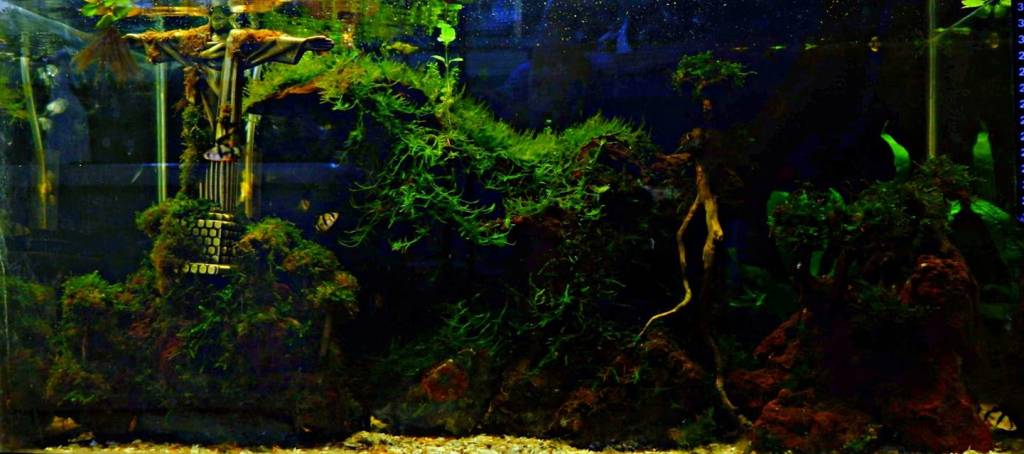
LIST OF AQUASCAPING CONTEST 2021
1) IAPLC (The International Aquatic Plants Layout Contest)- by ADA Japan
Website: http://en.iaplc.com/
Start Date Submission of Entry: TBC
Deadline submission of Entry: May 31, 2021
Note: Only one entry
2) AGA (Aquatic Gardeners Association International Aquascaping Contest)- by USA
Website: https://showcase.aquatic-gardeners.org/
Start Date Submission of Entry: TBC
Deadline submission of Entry: TBC
Note: Multiple entry according to tank size
3) CBAP (Brazilian Aquapaisagism Contest)- by Brazil
Website: http://www.cbap.com.br/en/sobre/
Start Date Submission of Entry: TBC
Deadline submission of Entry: TBC
Note: Send entry to Foreign Tank Category
Group B:
1) IIAC (Ista International Aquascaping Contest) – by Taiwan
Website: https://www.iiac.com.tw/en
Start Date Submission of Entry: Feb 01, 2021
Deadline submission of Entry: June 30, 2021
Note: Can send max. of 5 entries (any tank size will do)
2) CIAC (CIPS International Aquascaping Contest) – by PRC
Website: https://www.facebook.com/ciac2020 or http://en.cipscom.com/ShowNews/index.htm
Start Date Submission of Entry: TBC
Deadline submission of Entry: TBC
Note: Can send 1 entry each per category (nano(max 120L) and medium to large(min 120L))
3) RFLAC (Reeflowers Aquascaping Contest) – by Turkey
Website: https://www.rflac.com/ or https://www.facebook.com/rflac
Start Date Submission of Entry: June 01
Deadline submission of Entry: Aug 28
Note: no limit for number of entries
- NOTE***
1) You can submit a same layout entry to Group A (i.e. IAPLC, AGA and CBAP)
2) You can submit a same layout entry to Group B (i.e. IIAC, CIAC and RFLAC)
3) Your entry cannot be submitted to group A and to group B. Otherwise, your entry into group A will be disqualified.

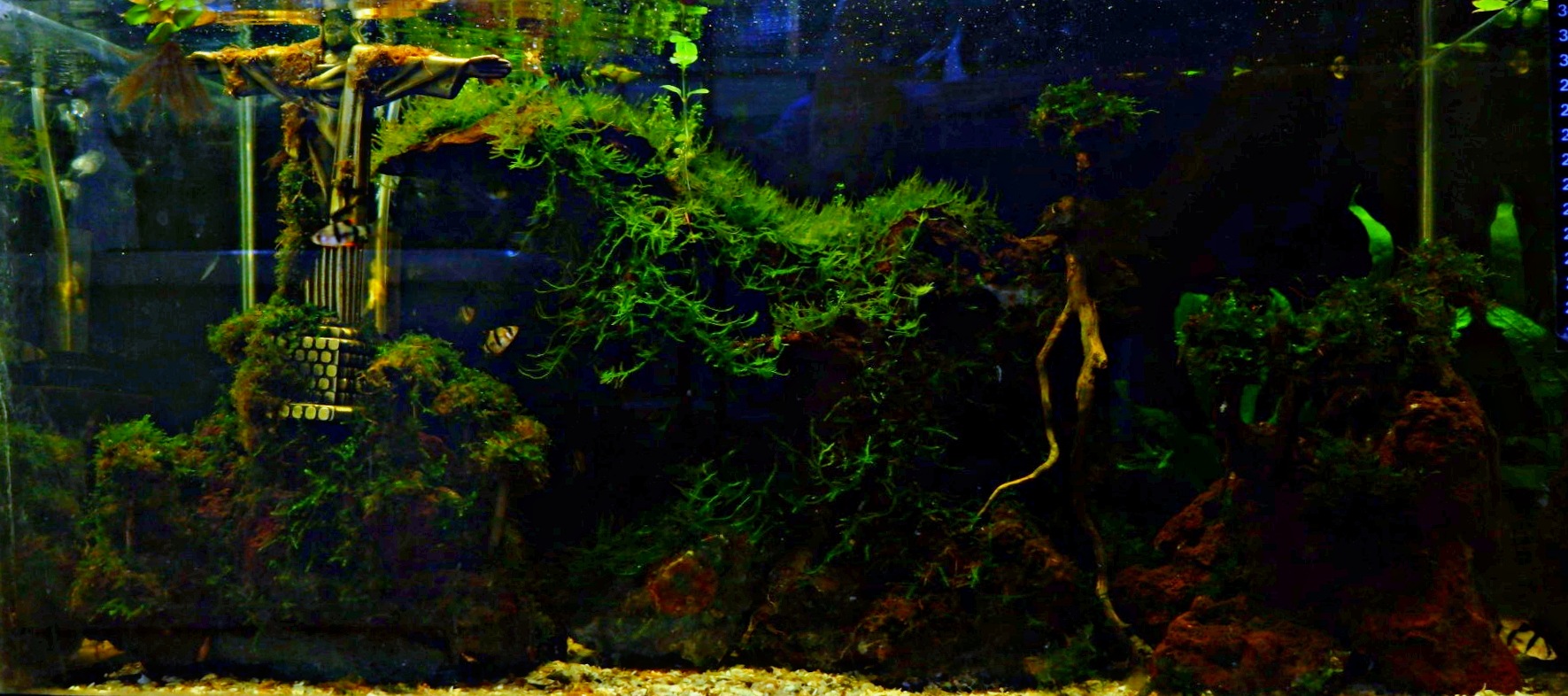
Forest Theme Aquascape
This is a standard 5gallon tank with a forest style aquascaping. In this video you will see the combination of woods, rocks, sand and moss to mimic a depth of a forest. You can watch the youtube clip here for more info..
Takashi Amano
#TakashiAmano #Aquascaping #ADA
Personal Information
Takashi Amano (天野尚, Amano Takashi) is a photographer, designer and Aquarist. His interest in aquaria led him to create the Japanese company Aqua Design Amano.
Takashi Amano is one of the most influential people in the freshwater aquascaping community. He can largely be credited with introducing Japanese gardening concepts such as Wabi-sabi and Zen rock arrangement to the aquascaping hobby. His tank compositions involve intricate, and typically asymmetrical (though balanced) arrangements of aquatic plants often augmented by river rocks and driftwood. His aquascapes are notable in that they often mimic nature in their appearance, and can be regarded as a form of art.
Amano is the author of Nature Aquarium World, a three-book series on aquascaping and freshwater aquarium plants and fish. He has also published the book “Aquarium Plant Paradise”.
Amano can also be credited with popularizing the use of Glossostigma elatinoides and Riccia fluitans in aquascaping and the use of shrimp as a means of controlling the growth of algae.
A species of freshwater shrimp is named the “Amano shrimp” or “Yamato shrimp” (Caridina multidentata; previously Caridina japonica) after him. After discovering this species’ ability to eat large quantities of algae, Amano asked a local distributor to special order several thousand of them.[1] They have since become a staple in the freshwater planted aquarium hobby.

Nature Style using Christmas Moss
This is a 2.5gallons tank with a simple trees designs attached on the stones.
https://vt.tiktok.com/ZSJMfPRWj/https://vt.tiktok.com/ZSJMfPRWj/
Nature’s Whim
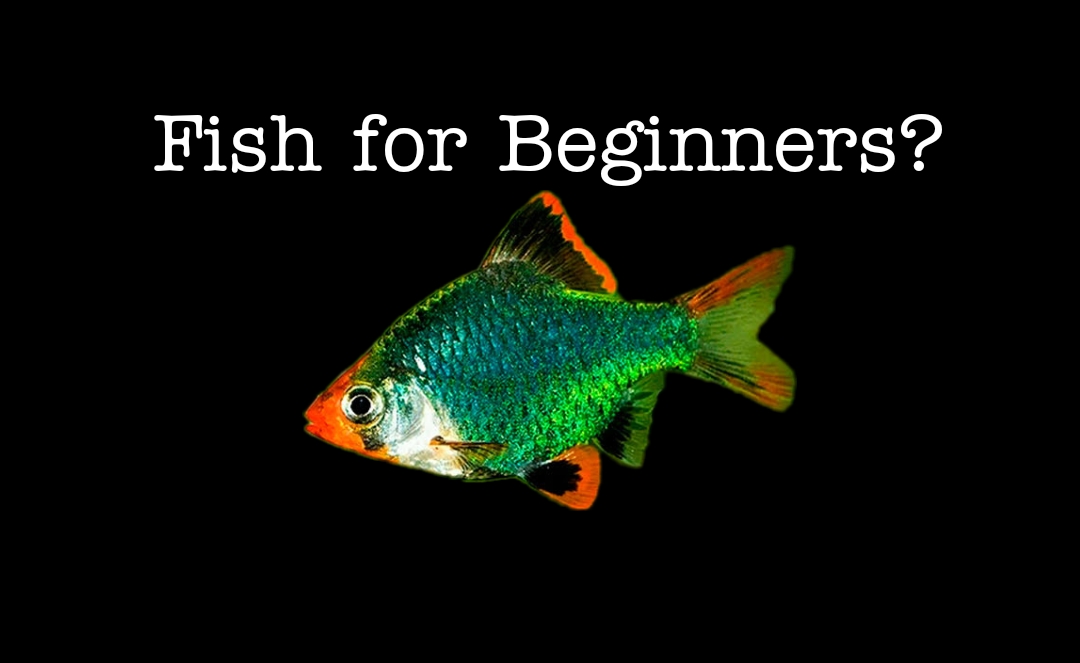
Hello everyone, i just wanna share about Green Tiger Barb or Sumatra Barb on how to keep this fish. What are the required tank size etc. Etc..
Click the Link for more information👌
ALBINO FULL RED Guppy GIVING BIRTH to unlimited fry #givingbirth

Video from Betta Guppie ni Eldric This is a rare footage of a Full Red Albino koi Guppy giving birth that everyone will witness. Enjoy the short clip and click the bell for more updated videos. #albinofullredkoiguppy #givingbirth #livebearers albino full red, koi guppy, livebeares, aquatics, aquascaping, fishkeeping, fishkeepers, hobbyist, TAGS: When A Guppy Fish Having Babies – YouTube Do guppies poop while giving birth? Why won’t my guppy give birth? When should I separate my pregnant guppy? Can you help a guppy give birth? Will baby guppies survive? What do baby guppies look like? A Guppy Having Babies – YouTube Guppy Giving Birth – YouTube How to Tell When a Guppy Will Give Birth – YouTube A Guppy Having Babies – YouTube | Guppy fish, Fish, Guppy
Watch now! https://www.youtube.com/watch?v=79jq-cZ0VWA
 Nature's Whim Aquascaping